ORIGIN OF FLAVOR
Origin of flavor.
Flavor did not begin with a production line. It came from the way people preserved food, broke down proteins and understood savory taste; it was later named, classified and recorded, and now enters an industrial seasoning system that can be tested, traced and organized.
-
00
Before Soy Sauce
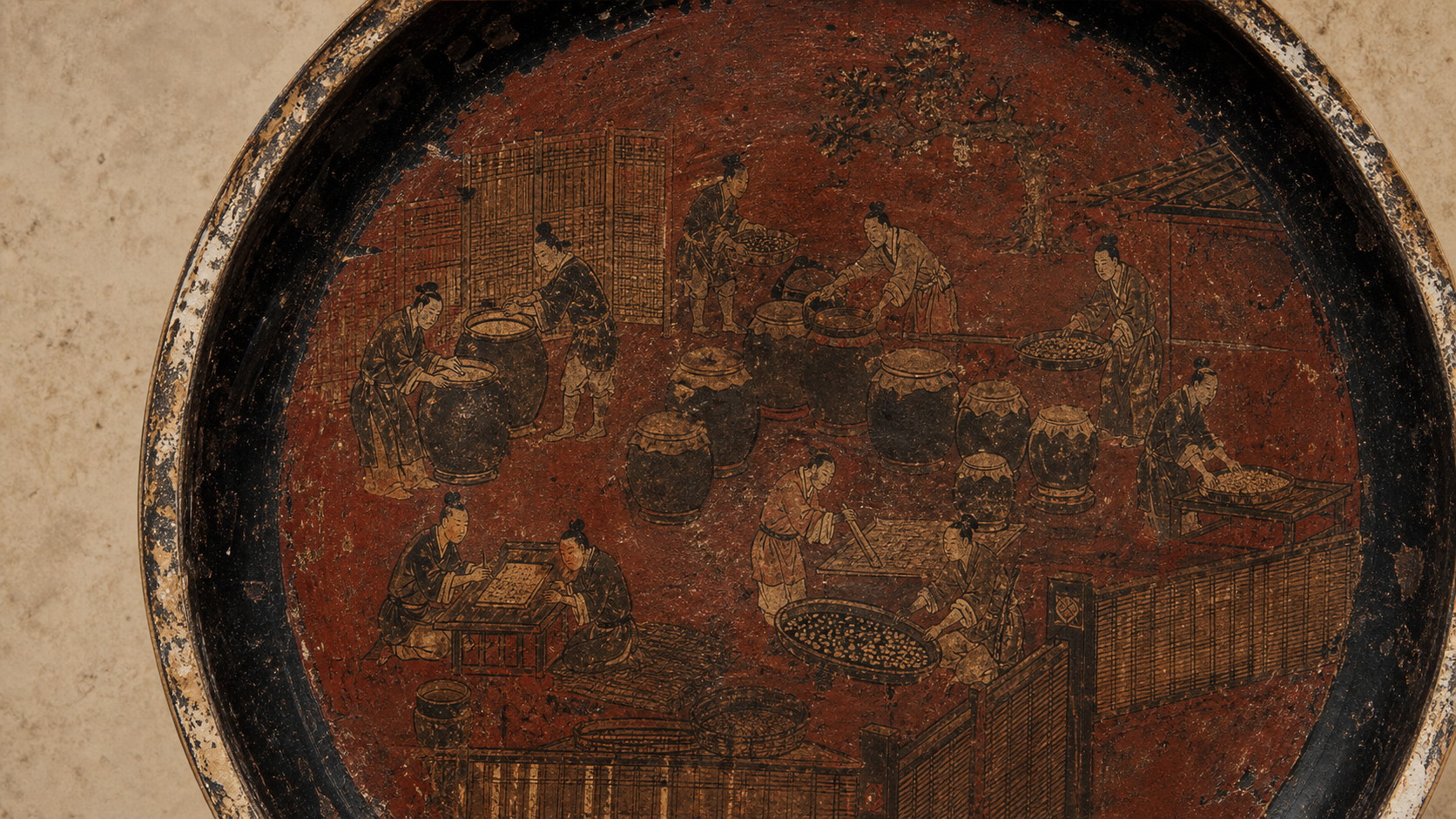
Around 1000 BCE, early fermented sauces recorded in Chinese sources were still mainly based on meat or fish: chopped, salted, fermented and used as savory condiments.
From the Zhou, Qin and Han periods onward, jiang expanded from meat-based sauces into a broader family of fermented seasonings. Historical references show how raw materials, fermentation methods and liquid sauces gradually became differentiated.
By around 160 CE, Chinese agricultural texts had already recorded meat sauces and clear sauces. These were not standardized soy sauce in the modern sense, but they connected salt, time, bean fermentation and extractable liquid into the predecessor of soy sauce.
Sources /Wikipedia: Soy sauce · Britannica: Soy sauce
-
01
Soybean Fermentation and Naming
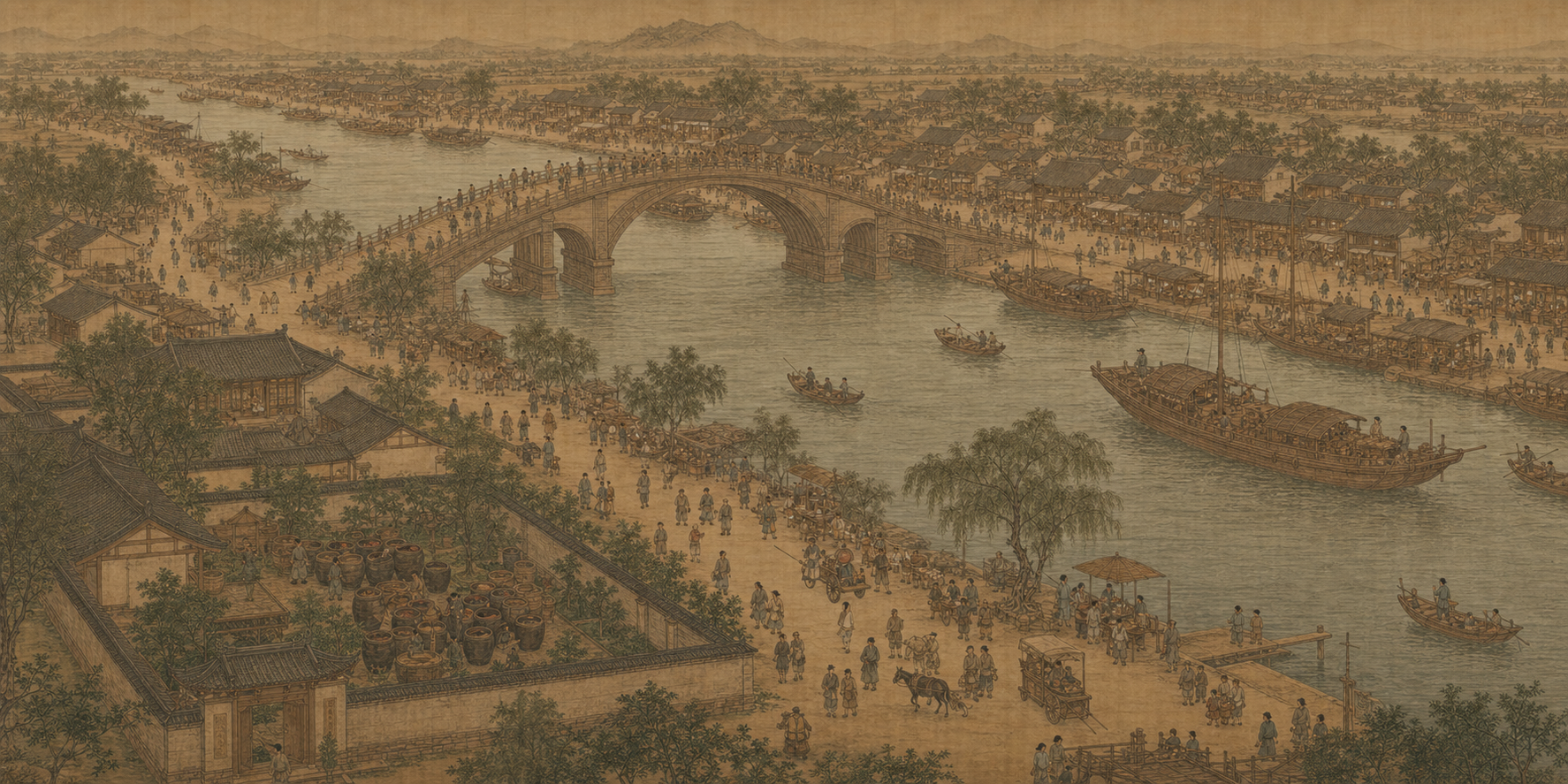
As grains, soybeans and wheat became more stable raw materials, fermentation practice moved toward bean and grain systems suitable for daily cooking and continuous production. The shift from jiang to soy sauce was not only a naming change, but also a way to describe fermented paste, clear liquid and seasoning use in a common commercial language.
Sources /Japan Soy Sauce Association: Manufacturing process
-
02
Process Differentiation and Powder Extension
In modern food manufacturing, soy sauce is described by fermentation, maturation, blending and processing method. This makes flavor, production cycle, cost and quality control easier to explain, and allows liquid soy sauce flavor to move into more stable systems for transport, storage and blending.
Soy sauce powder is not a decorative version of traditional flavor. It extends savory taste, fermentation and maturation experience into an industrial seasoning ingredient that can be controlled, tested and traced.
Sources /Japan Soy Sauce Association: Manufacturing process · Process control and post-maturation flavor · Solid-state Maillard reaction and soy sauce powder