Responding to EU Customer Questions on Contaminants and Pesticide Residues
Customer assurance starts with the scope of available evidence.
EU export customers may review food contaminants, heavy metals, process contaminants and pesticide residues together. Our response begins with the product category, ingredient basis, destination-market requirements and the scope of available testing evidence.
01 · REGULATORY CONTEXT
Requirements must be assessed by product and analyte
Commission Regulation (EU) 2023/915 sets maximum levels by contaminant and food category. Regulation (EC) No 396/2005 is the principal EU framework for pesticide maximum residue levels. Regulation (EC) No 839/2008, cited in the customer question, is a historical amendment to the annexes of Regulation 396/2005; current decisions should use the consolidated text and the EU Pesticides Database.
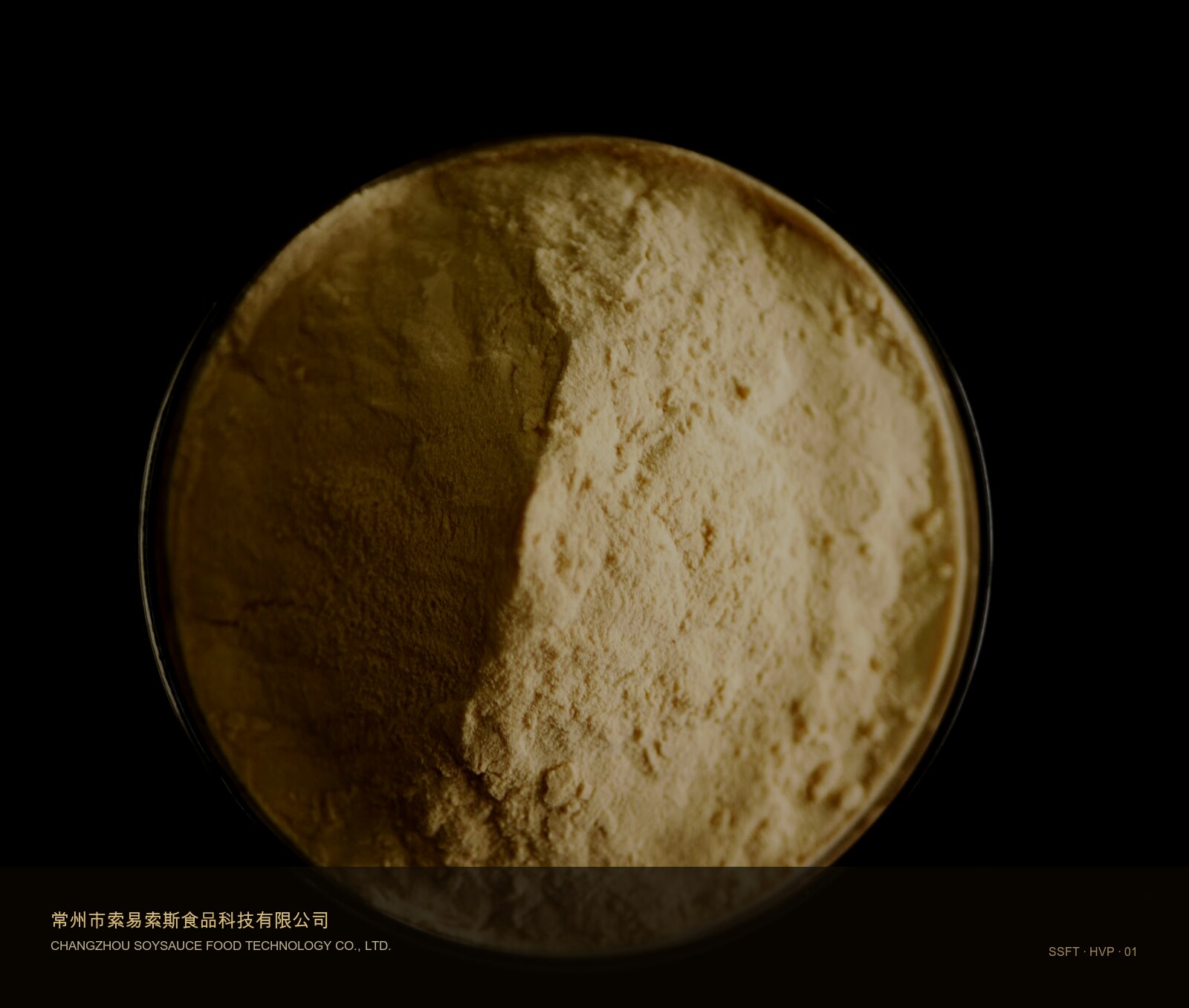
A list of contaminants in a regulation does not mean that the same limit applies to every food ingredient. An HVP powder assessment must consider the product form, plant-protein source, analyte and relevant food category. Pesticide-residue review also requires the applicable raw commodity, residue definition, current MRL and any justified processing or mixing factor.
02 · HISTORICAL EVIDENCE
Start with what the historical reports demonstrate
We reviewed third-party reports issued from 2023 to 2026. The reports cover 3-MCPD, lead and total arsenic across multiple batches, together with one proactive pesticide-residue screen on a representative batch. The figures below apply only to the tested batches and reported analytes.
Swipe horizontally to view the full table on mobile.
| Parameter | Historical scope | Result summary |
|---|---|---|
| 3-MCPD | Six batches, 2023-2026 | One result at 0.0155 mg/kg; all others ND <0.010 mg/kg or ND <0.005 mg/kg. All six were below the moisture-adjusted EU HVP maximum used in the review. |
| Lead | Six batches, 2023-2026 | Four results below the respective LOQs; two quantified results at 0.072 mg/kg and 0.062 mg/kg. |
| Total arsenic | Six batches, 2023-2026 | All results below the respective report LOQs. |
| Pesticide-residue screen | One representative batch, 2023 | All 102 analytes actually listed in the report were below their respective LOQs. |
ND means not detected above the stated limit of quantification. Analytes not listed in the historical reports are not presented as previously tested.
03 · TRACEABILITY
Combine supplier documentation, traceability and verification
Extended pesticide-residue and heavy-metal panels are not routine batch-release tests for every production batch. Our ongoing approach combines supplier document review, raw-material origin and batch traceability, quality-control records and proactive third-party verification of selected batches.
For parameters not covered by existing reports, these records, production experience and historical product performance support a preliminary assessment. That assessment is not presented as a third-party test conclusion for a specific batch.
04 · PRE-SUPPLY VERIFICATION
Project-specific confirmation can be arranged before supply
Where broader or batch-specific confirmation is required, the product, batch, analyte list, methods and LOQs can be agreed before testing. The work may then be performed by SGS, Eurofins or another customer-designated or mutually accepted accredited laboratory.
This route preserves the true scope of historical evidence while providing test results aligned with the customer's requested items and the intended supply batch.
05 · OFFICIAL SOURCES
EU regulatory and database links
- Commission Regulation (EU) 2023/915 - consolidated text
- Regulation (EC) No 396/2005 - consolidated text
- Regulation (EC) No 839/2008 - historical amending regulation
- EU Pesticides Database
EU legislation and MRLs are updated over time. Product-specific decisions should use the current versions and database results available on the date of assessment.
06 · MODULE LINK
Related product and document entry
For HVP powder information and public document links, return to the M·05 product module.